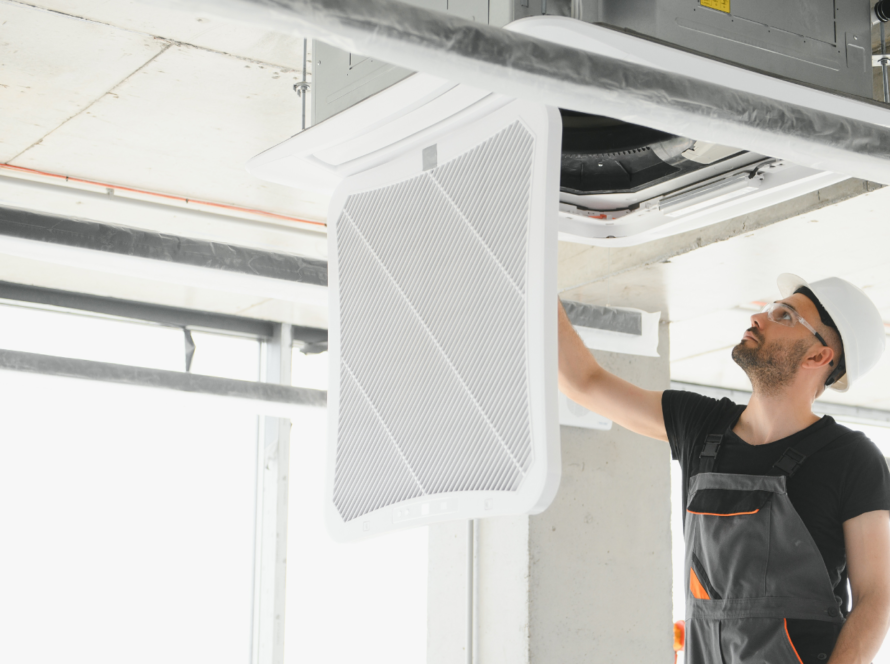
In today’s highly competitive industrial environment, maintaining product quality, operational efficiency, and workplace safety has become more important than ever. Industries such as pharmaceuticals, electronics, food processing, automotive, healthcare, textiles, chemicals, and precision engineering rely heavily on clean manufacturing environments to ensure smooth operations. One of the most overlooked yet critical factors affecting these industries is air filtration.
Poor air filtration in critical manufacturing areas can silently damage production quality, increase operational costs, reduce machinery lifespan, and negatively impact employee health. Many businesses only realize the seriousness of the issue after facing product contamination, machine failures, compliance issues, or customer complaints. Clean air is no longer just an environmental requirement; it has become a major business necessity.
This is where advanced filtration solutions from ORO Air Filters play an essential role in helping industries maintain cleaner, safer, and more productive manufacturing environments.
Why Air Filtration Matters in Manufacturing
Manufacturing facilities generate various airborne contaminants such as dust particles, fumes, smoke, microbes, fibers, chemicals, and volatile organic compounds (VOCs). Without proper filtration systems, these contaminants circulate within production areas and directly affect products, machines, and workers.
Critical manufacturing zones require controlled air quality because even microscopic particles can create major production issues. In industries like pharmaceuticals and electronics, a small contamination issue can result in entire product batches being rejected.
Proper industrial air filtration helps businesses:
- Maintain product quality
- Reduce contamination risks
- Improve worker safety
- Ensure regulatory compliance
- Increase equipment efficiency
- Lower maintenance costs
- Enhance operational reliability
Businesses that ignore air quality often experience hidden financial losses over time.
Product Contamination and Quality Failures
One of the biggest impacts of poor air filtration is product contamination. Dust, bacteria, chemical particles, and airborne pollutants can settle on products during manufacturing, packaging, or storage processes.
In pharmaceutical manufacturing, contamination can compromise medicine safety and lead to serious regulatory action. In food processing industries, airborne particles can affect hygiene standards and create health risks for consumers. In electronics manufacturing, microscopic dust can damage delicate components and circuit boards.
Poor air quality often results in:
- Increased product rejection rates
- Customer complaints
- Product recalls
- Loss of brand reputation
- Higher production waste
- Delayed deliveries
Modern consumers and industrial buyers expect consistent product quality. A single contamination issue can damage years of brand trust and credibility.
Increased Equipment Maintenance and Downtime
Industrial machinery performs best in clean environments. When airborne dust and contaminants accumulate inside machines, filters, motors, sensors, and ventilation systems, equipment performance gradually declines.
Poor air filtration can cause:
- Overheating of machinery
- Frequent breakdowns
- Reduced equipment lifespan
- Increased maintenance expenses
- Unexpected production downtime
- Lower manufacturing efficiency
Manufacturing downtime is extremely costly. Even a few hours of halted production can impact deadlines, customer commitments, and profitability. Dust accumulation also affects automation systems and sensitive instruments that require precision operation.
Businesses that invest in high-quality air filtration systems often experience smoother operations and significantly lower maintenance costs over time.
Employee Health and Workplace Productivity
Employees working in polluted manufacturing environments are exposed to airborne contaminants daily. Poor indoor air quality can lead to respiratory problems, allergies, fatigue, headaches, skin irritation, and long-term health complications.
When workers operate in unhealthy environments, businesses often face:
- Increased employee absenteeism
- Lower workforce productivity
- Reduced employee morale
- Higher healthcare costs
- Increased staff turnover
A healthy workplace directly contributes to better productivity and employee satisfaction. Clean air creates a safer and more comfortable environment where workers can focus on performance without health-related distractions.
Industries today are increasingly prioritizing employee well-being as part of workplace safety and ESG (Environmental, Social, and Governance) standards. Proper air filtration supports these long-term business goals.
Regulatory Compliance Challenges
Many industries must follow strict environmental and manufacturing regulations related to air quality and contamination control. Regulatory bodies require businesses to maintain controlled environments, especially in sectors such as pharmaceuticals, healthcare, food processing, and electronics.
Poor air filtration can lead to:
- Failed audits
- Non-compliance penalties
- Production shutdowns
- Certification issues
- Legal liabilities
Maintaining proper air quality is essential for meeting standards such as ISO certifications, GMP (Good Manufacturing Practices), cleanroom requirements, and workplace safety regulations.
Businesses that proactively invest in air filtration systems avoid costly compliance-related risks and maintain smoother operational continuity.
Hidden Financial Losses from Poor Air Quality
Many companies underestimate how much poor air filtration affects profitability. While contamination and maintenance costs are visible, hidden losses accumulate gradually over time.
These hidden costs include:
- Increased energy consumption
- Material wastage
- Lower production efficiency
- Frequent machine servicing
- Product returns
- Customer dissatisfaction
- Reduced operational lifespan of HVAC systems
Poor airflow and clogged filtration systems also force HVAC equipment to work harder, increasing electricity consumption and operational expenses.
Investing in advanced air filtration solutions is not an expense—it is a long-term cost-saving strategy.
Industries Most Affected by Poor Air Filtration
Several industries depend heavily on controlled air quality for operational success. Some of the most affected sectors include:
Pharmaceutical Industry
Sterile environments are essential for medicine production. Airborne contamination can compromise product safety and regulatory compliance.
Food and Beverage Industry
Clean air prevents contamination during food processing and packaging while maintaining hygiene standards.
Electronics Manufacturing
Dust particles can damage semiconductors, circuit boards, and precision electronic components.
Automotive Industry
Paint booths, assembly areas, and component manufacturing require clean airflow for quality production.
Healthcare and Laboratories
Hospitals, laboratories, and research facilities rely on high-efficiency filtration to maintain sterile environments.
Textile and Chemical Industries
Airborne fibers, fumes, and chemical particles require effective filtration to protect both products and workers.
How ORO Air Filters Helps Industries Maintain Cleaner Manufacturing Environments
ORO Air Filters provides advanced industrial air filtration solutions designed to meet the demanding needs of modern manufacturing industries. With a strong focus on quality, efficiency, and durability, ORO helps businesses improve air quality while reducing operational risks.
ORO Air Filters offers a wide range of filtration products suitable for industrial and commercial applications, including:
- HEPA Filters
- HVAC Filters
- Pre Filters
- Fine Filters
- Ceiling Filters
- Pocket Filters
- Industrial Air Filtration Solutions
These filtration systems are engineered to capture dust, airborne particles, microbes, smoke, and contaminants effectively, helping industries maintain cleaner and safer production environments.
Key Benefits of ORO Air Filters
Improved Product Quality
ORO filtration systems help reduce airborne contamination, ensuring better product consistency and fewer rejection rates.
Enhanced Equipment Protection
Cleaner air reduces dust accumulation inside machinery, helping businesses lower maintenance costs and extend equipment lifespan.
Better Workplace Safety
ORO Air Filters supports healthier indoor air quality, creating safer and more productive working conditions for employees.
Energy-Efficient Performance
Advanced filtration technology helps optimize airflow and reduce HVAC system energy consumption.
Compliance Support
ORO filtration solutions help industries meet cleanroom standards, GMP requirements, and industrial air quality regulations.
Why Businesses Should Prioritize Air Filtration Today
As industries become more automated and quality-focused, the importance of clean air continues to grow. Businesses can no longer treat air filtration as a secondary operational concern. It directly affects productivity, profitability, compliance, and brand reputation.
Companies investing in advanced filtration systems gain long-term operational advantages such as:
- Reduced operational risks
- Improved manufacturing consistency
- Better customer trust
- Lower maintenance expenses
- Increased production efficiency
- Healthier workplace environments
Air quality management is now an essential part of smart manufacturing strategies.
Conclusion
Poor air filtration in critical manufacturing areas can create serious operational, financial, and reputational challenges for businesses. From product contamination and equipment failures to employee health concerns and compliance risks, the impact of poor air quality extends across every aspect of industrial operations.
Businesses that invest in high-quality filtration solutions can significantly improve efficiency, safety, and product reliability while reducing long-term operational costs.
With advanced industrial filtration solutions from ORO Air Filters, industries can create cleaner manufacturing environments that support productivity, regulatory compliance, and long-term business growth. Proper air filtration is not just about cleaner air—it is about building a stronger, more reliable, and future-ready manufacturing operation.